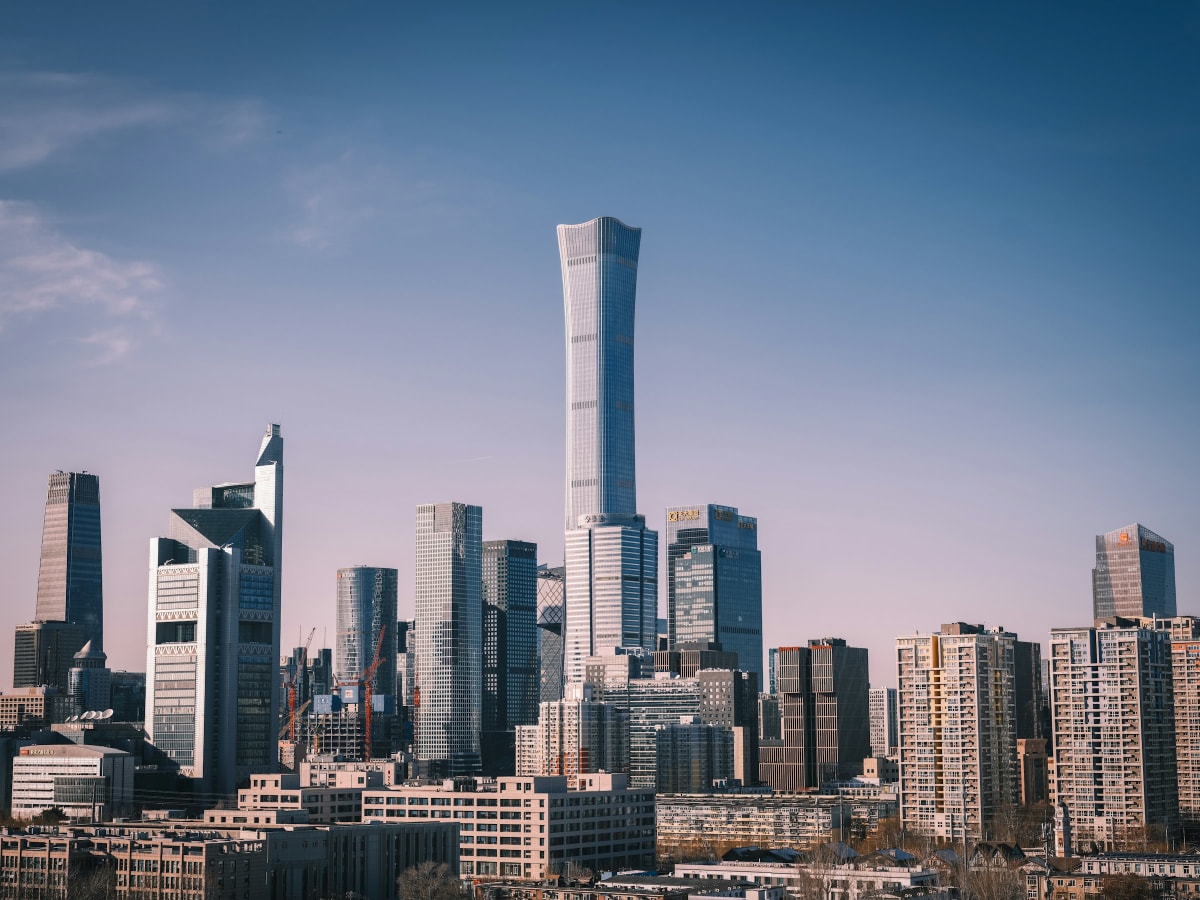
Beijing Travel Guide
Why Visit Beijing?
Beijing blends millennia‑old history with cutting‑edge modernity. From the Great Wall to futuristic skyscrapers, the city offers a playground for history buffs, food lovers, and culture seekers alike.
Neighborhoods to Explore
- Chinatown (Dongcheng) – Home to the Forbidden Palace, Tiananmen Square, and traditional hutongs.
- Sanlitun – A vibrant nightlife district packed with bars, international restaurants, and boutique shops.
- 798 Art District – Former factory complex turned contemporary art hub, perfect for creative inspiration.
Ideal Trip Length
Four to six days allow you to see the major sights—Forbidden Palace, Temple of Heaven, Summer Palace, and a day trip to the Great Wall—while still leaving time for wandering local alleys and sampling street food.
Best Time to Go
Spring (March‑May) and autumn (September‑November) provide mild temperatures and clear skies, ideal for outdoor exploration. Summer can be hot and humid, while winter brings cold winds and occasional snow.
Who Is It For?
- Families – Parks like Beihai and the Beijing Zoo keep kids entertained.
- Couples – Romantic boat rides on Houhai Lake or a sunset dinner in a courtyard restaurant.
- Solo Travelers – Easy navigation via subway and a wealth of hostels and cafés for meeting fellow explorers.
Budget Notes
- Accommodation: Hostels start around $30 USD per night; mid‑range hotels $80‑150 USD; luxury properties exceed $200 USD.
- Food: Street snacks (jiaozi, baozi) cost $2‑5 USD, while upscale dining can reach $30 USD per dish.
- Transport: The Yikatong subway card offers discounted fares and is the most efficient way to get around.
Food & Culture Highlights
- Peking Duck – Crispy skin, tender meat; try it at a reputable roast duck house.
- Dim Sum – Small plates of dumplings, buns, and pastries perfect for brunch.
- Hot Pot – Interactive communal cooking, great for groups.
- Cultural Sites – Watch a traditional opera performance or explore the National Museum of China.
Practical Tips
- Purchase a Yikatong card for seamless subway travel.
- Carry a copy of your passport; some attractions may request identification.
- Download an offline map app; cellular data can be spotty in historic hutongs.
- Verify visa requirements and any travel advisories before departure.
Frequently Asked Questions
Q: Do I need a visa to enter China?
Most nationalities require a visa. Check the nearest Chinese consulate for the latest requirements.
Q: What is the best way to get around the city?
The subway system is fast, affordable, and covers most major attractions.
Q: Is English widely spoken?
English is common in hotels, major tourist sites, and upscale restaurants, but less so in local markets and neighborhoods.
Turn this read into a travel plan
Explore the destination behind this story, then compare stays and travel options in one place.